Integrating the Springtime Cottage SVG Into Your Seasonal Crafting Workflow
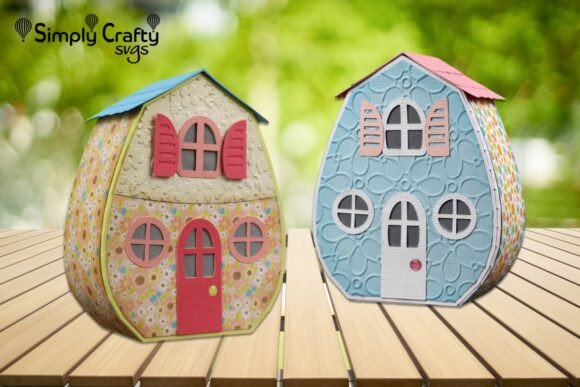
The Springtime Cottage SVG is more than a standalone digital file; it is a modular asset designed to streamline seasonal decor production for crafters, small business owners, and hobbyists. In a practical workflow, this 3D paper house template serves as a foundational base that bridges the gap between digital design and physical assembly. Rather than viewing this SVG as a single-use project, experienced makers integrate it into a broader system of seasonal decorating, gift packaging, and product creation. The design captures the vibrant energy of spring and Easter through specific colorways and motifs, yet its structural integrity allows for seamless adaptation across the entire calendar year.
For professionals and productivity-minded creators, the value lies in the file’s versatility and functional design. The removable lid mechanism transforms the cottage from a static decoration into a dynamic vessel for gifts or illumination. This dual functionality means the asset performs double duty in your inventory: it acts as a centerpiece during daylight hours and transitions into a glowing luminary at night when fitted with battery-operated fairy lights or tea lights. Understanding how to leverage these features within your existing crafting ecosystem ensures that the time invested in cutting and assembly yields maximum return, whether for personal enjoyment or commercial sale.
Pre-Production Planning and Material Compatibility
Successful execution of the 3D Springtime Cottage begins long before the cutting mat is loaded. Efficient workflow management requires precise material forecasting to prevent waste and ensure structural stability. The finished dimensions of the cottage are 4.8” x 2.3” x 6” tall, a size that balances visual impact with material economy. When planning your production run, account for the specific cardstock requirements to maintain consistency across multiple units.
The structural integrity of this 3D build relies heavily on paper weight and texture. Based on tested specifications, the following material allocation optimizes both durability and aesthetic quality:
- House Structure: Two 12″ x 12″ sheets of textured cardstock (e.g., American Crafts AC Textured Cardstock in Canary, Peach, Grapefruit, Pacific, or Vanilla). Texture adds necessary rigidity and visual depth that flat cardstock often lacks.
- Decorative Panels: One 12″ x 12″ sheet for exterior detailing.
- Roof Components: One 12″ x 12″ sheet dedicated to roofing elements to ensure proper layering without warping.
- Accent Elements: Smaller paper scraps can be utilized for remaining details, maximizing yield from previous projects.
Compatibility is a critical factor in the pre-production phase. While the primary design utilizes 12x12 paper, the SVG files are letter-size compatible when ungrouped. This flexibility allows users with standard home printers or smaller cutting machines to participate without upgrading equipment. However, if you are producing these cottages for sale or as part of a large-scale event display, sticking to the 12x12 format reduces assembly seams and improves the professional finish of the final product. Always verify blade depth and pressure settings specifically for textured cardstock, as inconsistent cuts can compromise the tab-and-slot fitment essential for 3D structures.
Assembly Efficiency and Quality Control
The transition from digital file to physical object is where workflow efficiency is most tested. The Springtime Cottage SVG includes a step-by-step video tutorial, which should be treated as a standard operating procedure rather than optional guidance. Integrating this visual resource into your assembly station minimizes errors and reduces the cognitive load associated with interpreting complex 2D diagrams. For educators or workshop leaders, this tutorial also serves as a ready-made teaching aid, allowing participants to craft with confidence without constant supervision.
During assembly, focus on precision over speed. The interlocking tabs and slots are engineered for specific tolerances. Using high-quality adhesive, such as tacky glue or foam tape, ensures longevity. Foam tape is particularly useful for creating dimension between layers, enhancing the 3D effect and providing space for internal lighting components. If you are batch-producing these cottages, adopt an assembly-line approach: cut all pieces first, organize them by component type, and then proceed to gluing. This separation of tasks maintains momentum and prevents the fatigue that leads to quality control issues.
Quality control extends to the functional aspects of the build. Before finalizing the roof or sealing the base, always test-fit the removable lid and verify clearance for your chosen light source. Battery-operated tea lights vary in height and width; confirming fitment during the dry-assembly stage prevents the frustration of having to disassemble a glued structure later. For sellers, this testing phase is non-negotiable to ensure customer satisfaction and reduce returns due to functional defects.
Functional Adaptation and Lighting Integration
The true utility of the Springtime Cottage SVG emerges in its post-assembly application. The design’s ability to house lighting elements elevates it from simple papercraft to atmospheric decor. When integrating lights, consider the thermal properties of your materials. LED fairy lights or battery-operated tea lights are mandatory; traditional candles pose a fire hazard and can scorch the cardstock. The glow created by light spilling through the windows relies on the contrast between the illuminated interior and the opaque exterior walls. To maximize this effect, line the interior behind the window cutouts with vellum or translucent paper if your base cardstock is too thick to allow adequate light transmission.
Beyond illumination, the removable lid facilitates diverse use cases. In a retail or gifting context, the cottage becomes premium packaging. It can hold jewelry, gift cards, chocolates, or handwritten notes, adding perceived value to the contents. For event planners, these cottages serve as interactive place cards or favor boxes that guests can take home. By standardizing the interior dimensions, you can create custom inserts or dividers that secure specific items, turning a decorative object into a purposeful container.
Seasonal Scalability and Long-Term Asset Management
One of the most significant advantages of the Springtime Cottage SVG is its scalability across seasons. While marketed for spring and Easter, the underlying architecture is season-agnostic. This makes it a high-value asset in a digital library because it does not become obsolete after April. Strategic crafters and business owners can amortize the learning curve and setup time by adapting the same base file for multiple revenue streams or decor refreshes throughout the year.
Adapting the cottage requires minimal structural changes but strategic material swaps. Consider the following workflow for year-round utilization:
- Spring/Easter: Utilize the original pastel palette (Canary, Peach, Vanilla) with floral accents and bunny motifs. Focus on brightness and renewal.
- Summer: Switch to bright blues and greens. Replace floral panels with beach scenes, garden vegetables, or patriotic stars. Use lighter cardstock weights if heat/humidity is a concern.
- Halloween: Transform the structure into a spooky shack using dark purples, oranges, and blacks. Distress the edges with ink for an aged look. The window glow becomes eerie rather than welcoming with amber or purple LEDs.
- Winter/Christmas: Convert to a cozy cabin with reds, greens, and silver glitter cardstock. Add faux snow textures to the roof. Warm white lights enhance the hygge aesthetic.
This adaptability supports sustainable crafting practices and efficient inventory management. Instead of purchasing new SVGs for every holiday, you leverage a single, proven template. For bloggers and content creators, this provides a consistent visual thread across seasonal posts while demonstrating versatility to your audience. Documenting these transformations also generates evergreen content that remains relevant regardless of the current month.
Optimizing for Production and Business Workflows
For entrepreneurs selling finished crafts or digital adaptations, the Springtime Cottage SVG fits into larger business systems. Accurate costing is essential; track not only material expenses but also the time required for cutting, weeding, assembly, and photography. Because the design includes a video tutorial, onboarding new staff or volunteers for large orders becomes streamlined, reducing training overhead. The standardized dimensions also simplify shipping logistics; knowing the exact 4.8” x 2.3” x 6” footprint allows for pre-purchasing appropriately sized mailers and calculating shipping rates in advance.
Digital organization plays a role in long-term usability. Store the SVG files with clear naming conventions that include version numbers and compatibility notes. Keep a project log documenting which paper brands worked best, optimal machine settings, and any modifications made to the original file. This institutional knowledge prevents reinventing the wheel each season. When listing the item for sale, highlight the functional benefits—removable lid, light compatibility, and multi-season potential—as these are key decision factors for buyers looking for value beyond aesthetics.
Ultimately, the Springtime Cottage SVG exemplifies how digital crafting assets can be integrated into disciplined, productive workflows. By approaching the project with attention to material planning, assembly precision, functional adaptation, and seasonal scalability, makers can transform a charming paper house into a reliable component of their creative or commercial repertoire. Whether used to enhance personal living spaces, facilitate educational activities, or drive small business sales, the cottage stands as a testament to the intersection of whimsy and practical execution.