Tuck Front Square Gift Box: Adhesive-Free Packaging
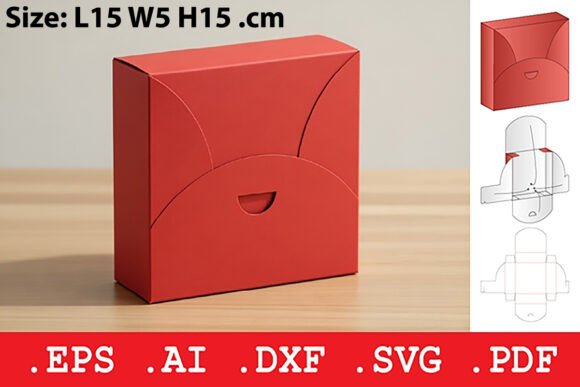
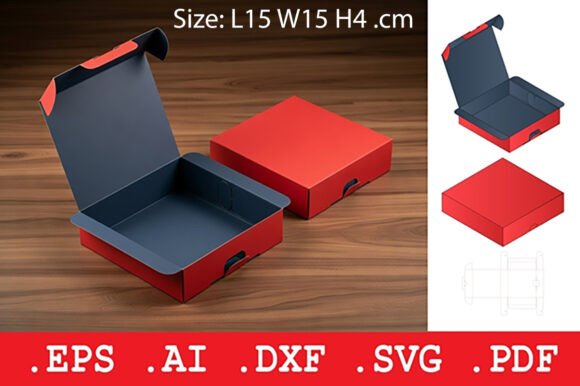
Packaging is often the first physical interaction a customer has with a brand, and getting that initial touchpoint right requires more than just a pretty graphic. The Tuck Front Square Gift Box offers a sophisticated solution for creators and businesses looking to elevate their product presentation without relying on messy glues or tapes. This versatile square packaging template features a secure flip-top lid with a reinforced front tuck tab that slides into a precision-cut slit, creating a clean, adhesive-free closure that feels intentional and high-end. Whether you are shipping boutique jewelry, small electronics, or artisanal soaps, this design provides a sturdy structure that protects contents while delivering a satisfying unboxing experience.
Understanding the Adhesive-Free Closure Mechanism
One of the most significant advantages of this specific box style is its mechanical locking system. Unlike standard mailers that require packing tape or glue tabs that can fail during transit, the Tuck Front Square Gift Box uses friction and geometry to stay closed. The reinforced front tuck tab is engineered to slide snugly into a precision-cut slit on the front panel. This creates a positive lock that keeps the lid secure during handling but remains easy for the recipient to open.
This adhesive-free approach serves two practical purposes. First, it maintains the aesthetic integrity of the package; there are no shiny tape strips or dried glue residue marring the surface. Second, it simplifies the assembly process on your end. You do not need to manage hot glue guns or double-sided tape stations, which speeds up fulfillment times significantly for small business owners and hobbyists alike. The integrated side-dust flaps further enhance this security by providing additional protection against debris and ensuring structural alignment when the box is folded.
Ideal Material Specifications for Structural Integrity
To achieve the intended sturdiness and professional feel, material selection is critical. This template is engineered specifically for 180-350 gsm paperboard. Using cardstock lighter than 180 gsm may result in a box that feels flimsy or fails to hold the tuck tab securely due to insufficient friction. Conversely, using board heavier than 350 gsm can make folding difficult and may cause the precision-cut slit to tear or deform during assembly.
For retail gifts and boutique accessories, the 250–300 gsm range often provides the perfect balance of rigidity and foldability. This weight class supports high-quality printing and finishes like spot UV or foil stamping without warping. If you are packaging denser items like small electronics or metal hardware, leaning toward the upper limit of 350 gsm ensures the box maintains its square shape under the weight of the contents. Always test your chosen material with a prototype before committing to a full production run to verify that the tuck mechanism functions smoothly.
Versatile Applications Across Creative and Commercial Fields
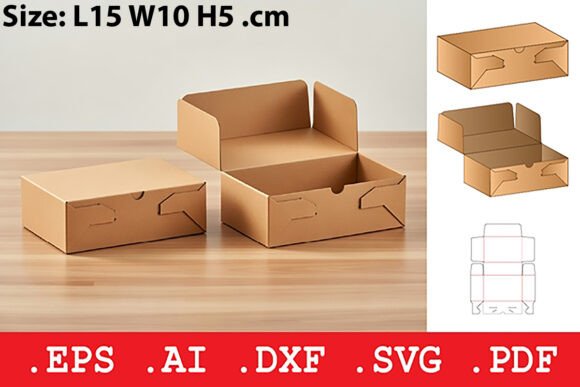
The square form factor of this box makes it uniquely adaptable compared to rectangular alternatives. The equal dimensions provide a balanced canvas for branding and allow for efficient stacking on retail shelves or in storage bins. Here are several practical contexts where this packaging excels:
- Boutique Retail and E-commerce: Perfect for candles, cosmetics, jewelry, and watches. The dust flaps protect delicate surfaces from scratches during shipping.
- Small Electronics: Ideal for USB drives, earbuds, smartwatches, or camera lenses. The rigid structure offers crush resistance for sensitive tech components.
- Artisanal Food Products: Suitable for gourmet chocolates, tea blends, or spice kits. The adhesive-free construction means no chemical odors transfer to food items.
- Corporate Gifting: Creates a premium impression for employee appreciation kits, conference swag, or client thank-you packages.
- Educational and Craft Kits: Organizes small parts, beads, or art supplies into a reusable container that students or hobbyists will want to keep.
For educators and workshop leaders, this box also serves as an excellent teaching tool for packaging design principles. Students can learn about structural engineering, tolerance in die-cutting, and the importance of user experience in physical product design.
Navigating the Included Digital File Formats
Access to the correct file type streamlines the transition from digital design to physical product. This template includes five distinct formats to accommodate various workflows and equipment levels. Understanding when to use each file ensures you get the best results regardless of your production method.
The .DXF file contains precision cut lines optimized for CNC routers and laser cutting hardware. If you are prototyping in-house or using a maker space, this format ensures the machine reads exact vector paths for clean cuts and scoring. The .SVG file is scalable vector graphics suitable for digital design software and craft plotters like Cricut or Silhouette. This is typically the go-to format for hobbyists and beginners creating small batches at home.
For professional printing and commercial manufacturing, the .EPS and .AI files are industry standards. The EPS format ensures compatibility across different vector programs and print shops, while the AI source file allows for full customization within Adobe Illustrator. You can adjust dimensions, add bleed areas, incorporate custom logos, or modify the tuck tab depth directly in the source file. Finally, the .PDF document serves as a print-ready reference for manual assembly and viewing, allowing you to visualize the flat pattern and folding sequence before cutting any material.
Key Considerations Before Production
While the Tuck Front Square Gift Box is designed for versatility, successful implementation requires attention to detail. Before launching your packaging, consider the dimensional fit of your product. Because this is a tuck-style box rather than a sealed carton, there is slightly more tolerance for movement inside. Ensure your product fits snugly enough to prevent shifting but loosely enough to be removed easily. Adding a custom insert or tissue paper can bridge gaps and enhance the luxury feel.
Also, evaluate your finishing requirements. If you plan to apply heavy ink coverage or laminate the exterior, account for how these processes affect the thickness and flexibility of the paperboard. Lamination can sometimes make the tuck tab too stiff to slide into the slit comfortably, requiring minor adjustments to the slot width in the .AI source file. Additionally, if you are using a laser cutter, be mindful of scorch marks on the edges; masking tape or adjusting power settings can mitigate this issue to maintain a pristine appearance.
Finally, think about the end-user's disposal or reuse journey. Since this box uses no plastic adhesives, it is inherently more sustainable and easier to recycle. Highlighting this eco-friendly attribute in your marketing can resonate with environmentally conscious consumers. By combining functional engineering with thoughtful material choices, this packaging template supports both your operational efficiency and your brand’s commitment to quality.