Tall Vertical Bag and Slim Box Set Packaging Guide
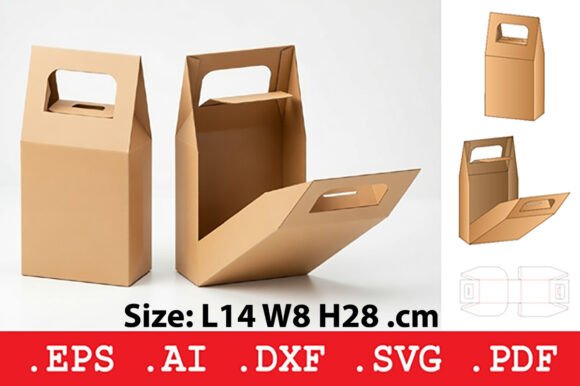
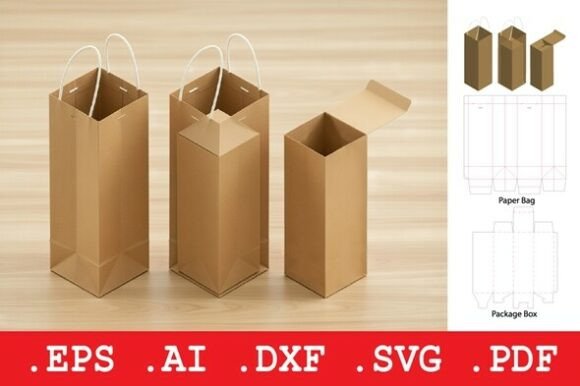
Elevating the presentation of tall, slender products requires packaging that balances structural integrity with aesthetic refinement. The Tall Vertical Bag and Slim Box Set addresses this specific niche by pairing a gusseted paper carrier with a precision-fitted tuck-end box. Unlike generic packaging solutions, this duo is engineered specifically for items such as reed diffusers, artisanal spirit bottles, cosmetic serums, and luxury candles. The design prioritizes a layered unboxing experience where the outer bag and inner box work in tandem to protect the product while signaling quality to the recipient. For creators and business owners, utilizing this coordinated set eliminates the guesswork involved in matching separate packaging components, ensuring a cohesive brand presentation from the point of sale to the final reveal.
Optimizing Structural Integrity for Vertical Products
Standard retail packaging often fails when adapted for tall items because width-to-height ratios are not accounted for in generic templates. This Tall Vertical Bag and Slim Box Set is specifically calibrated for 180–350 gsm paper stocks. This weight range is critical; lighter papers may lack the rigidity to support the vertical load, while heavier cardstocks can be difficult to fold manually without scoring. The slim box features a tuck-end closure that secures the contents without requiring adhesive, relying instead on friction and precise tab geometry. When inserted into the matching gusseted bag, the box acts as an internal stiffener, preventing the bag from collapsing or creasing during transport.
This structural synergy is particularly valuable for fragile goods. A glass diffuser bottle, for example, benefits from the snug fit of the slim box which restricts lateral movement. Simultaneously, the rope handle holes on the outer bag are reinforced to distribute weight evenly, reducing the risk of tear-out. By using a template designed for these specific dimensions, makers avoid the common pitfall of over-engineering packaging with excessive tape or filler material, resulting in a cleaner, more professional finish.
Streamlining Production with Multi-Format Templates
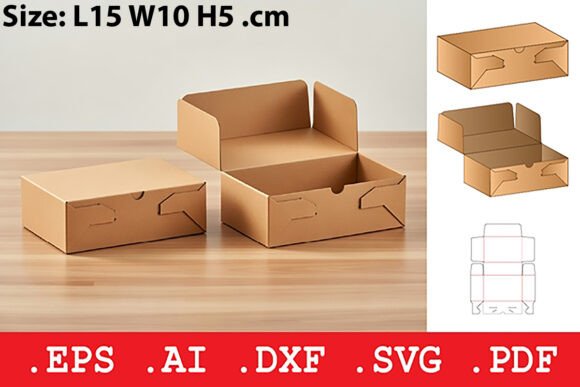
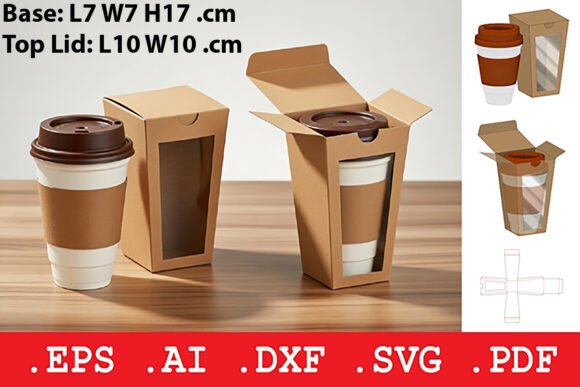
Efficiency in packaging production depends heavily on file compatibility across different manufacturing workflows. This template set includes five distinct file formats to bridge the gap between digital design and physical fabrication. Understanding when to use each format ensures the best results for your specific equipment and skill level.
- .DXF Files: These contain precision cut lines optimized for CNC routers and laser cutting hardware. If you are prototyping or producing small batches in-house, the DXF format allows machines to read exact vector paths without interpreting fill colors or layers, ensuring clean cuts on 350 gsm cardstock.
- .SVG Files: Scalable Vector Graphics are ideal for digital design software and craft plotters like Cricut or Silhouette. This format maintains mathematical precision at any scale, making it perfect for hobbyists or educators creating scaled models or custom variations without pixelation.
- .EPS Files: As an industry-standard vector format, EPS files ensure high-quality printing and compatibility with professional print shops. When sending designs to a commercial printer for offset or digital production, this format preserves font outlines and cut lines accurately.
- .PDF Files: Print-ready documents serve dual purposes. They provide a visual reference for manual assembly and folding sequences, and they function as a universal proofing document to verify dimensions before committing to expensive print runs.
- .AI Files: The original Adobe Illustrator source file offers full customization. Professionals can modify bleed areas, adjust tab placements for different paper thicknesses, or integrate complex branding elements directly into the structural dieline.
Enhancing Brand Perception Through Layered Unboxing
The psychological impact of packaging lies in the sequence of interaction. The Tall Vertical Bag and Slim Box Set creates a deliberate narrative arc. The customer first engages with the tactile texture of the gusseted bag and the rope handles, establishing an initial impression of care. Upon reaching inside, they encounter the slim box, which serves as a secondary barrier and a canvas for detailed product information or branding. This separation of functions allows the outer bag to remain visually clean and reusable, while the inner box handles regulatory text and instructions.
For marketers and small business owners, this distinction is practical. It allows for seasonal updates to the outer carrier without reprinting the primary product box, or vice versa. The precise fit also communicates attention to detail; a box that slides smoothly into its matching bag suggests a premium manufacturing standard. In sectors like beauty and wellness, where shelf appeal drives conversion, this coordinated approach helps products stand out against competitors using loose or ill-fitting generic containers.
Practical Considerations for Assembly and Storage
While the design offers significant advantages, successful implementation requires attention to material selection and assembly logistics. Both the bag and box templates are optimized for flat-pack storage, which maximizes warehouse efficiency and reduces shipping costs for the packaging itself. However, users must consider the trade-offs of manual versus automated assembly. The tuck-end box is designed for easy hand-folding, but high-volume operations should test the template with their specific paper stock to ensure tabs lock securely without fatiguing the fiber.
Paper grain direction is another technical factor often overlooked. For the tall vertical bag, the grain should typically run parallel to the height to maximize tensile strength and prevent sagging. For the slim box, grain direction affects fold crispness; folding against the grain on 350 gsm stock may cause cracking unless properly scored. Users working with textured or coated papers should perform test folds using the provided PDF guide before mass production. Additionally, while the rope handle holes are positioned for standard cord sizes, those using thicker braided ropes or alternative materials should verify clearance in the AI or DXF file to prevent fraying during insertion.
Identifying Ideal Use Cases and Limitations
This packaging system excels in specific contexts but is not universally applicable. It is best suited for products with a stable center of gravity and a height-to-width ratio that aligns with the slim profile. Artisanal food producers packaging olive oil or vinegar, perfumers selling tall atomizers, and stationery brands offering pen sets will find immediate utility. Educators and design students also benefit from the template as a teaching tool for understanding structural packaging design and dieline creation.
However, there are limitations to consider. The non-rigid nature of the bag means it relies on the box for shape retention; shipping heavy items without the inner box may result in deformation. Furthermore, the 180–350 gsm specification excludes corrugated materials; users needing protection for extremely heavy or fragile industrial items should look for rigid box alternatives. The tuck-end closure, while convenient, is less secure than glued auto-lock bottoms for items exceeding certain weights. Evaluating your product’s specific dimensions and weight against these parameters ensures the Tall Vertical Bag and Slim Box Set delivers the intended value rather than becoming a compromise. By aligning the packaging solution with realistic product requirements, businesses can achieve a professional, functional, and aesthetically pleasing result that supports both operational efficiency and customer satisfaction.