Rectangular Gable Bag with Die-Cut Handle Guide
Packaging design often forces a choice between the convenience of a carrier bag and the premium presentation of a rigid box. The Rectangular Gable Bag with Die-Cut Handle resolves this compromise by merging retail functionality with structural elegance. This template offers a sophisticated solution for brands and creators who need packaging that performs equally well on a store shelf and in a customer’s hand. Unlike standard paper bags that lack stability or boxes that require separate carriers, this hybrid design utilizes a single-sheet dieline to create a self-contained, reinforced carrying vessel.
Understanding the specific engineering of this template is essential for achieving professional results. Optimized for 200–350 gsm paper stocks, the design relies on material tension and precise folding rather than heavy adhesives. The tapered gable top provides vertical strength, while the integrated die-cut handle distributes weight evenly across the upper structure. For small business owners, boutique retailers, and packaging designers, mastering this format can significantly elevate product perception without increasing per-unit costs associated with multi-component packaging systems.
Bridging Retail Utility and Unboxing Aesthetics
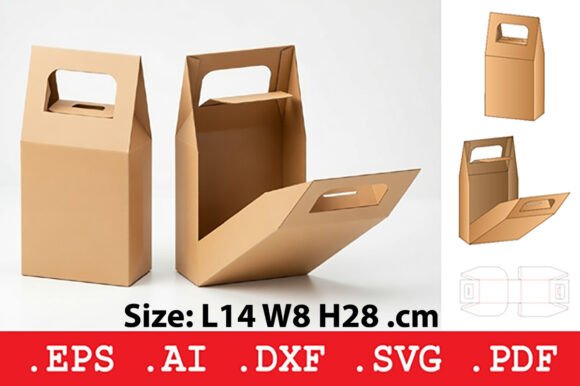
The primary value of the Rectangular Gable Bag with Die-Cut Handle lies in its dual-purpose architecture. Traditional retail packaging prioritizes transport, often sacrificing the tactile experience of opening the package. Conversely, gift boxes focus on presentation but fail during transit. This template introduces a front-opening flap that serves as both a secure closure mechanism and a stage for product revelation. When a customer lifts the flap, the product is framed by the gable structure, creating a deliberate unboxing moment that encourages social sharing and enhances perceived value.
This functional duality supports specific business goals. For gourmet food vendors, the front flap allows for quick visual inspection of contents without fully exposing the product to air or contaminants. For apparel boutiques, the rectangular base ensures folded garments remain flat and unwrinkled during transport, addressing a common pain point with soft-sided shopping bags. By selecting this template, you are not merely choosing a container; you are implementing a customer experience strategy that reduces the need for secondary wrapping or decorative ribbons.
Material Selection and Structural Integrity
Achieving the intended non-rigid yet stable form requires strict adherence to paper weight specifications. The 200–350 gsm range is not arbitrary; it represents the mechanical sweet spot for this specific geometry. Paper lighter than 200 gsm lacks the tensile strength to support the die-cut handle under load, leading to tearing at stress points. Cardstock heavier than 350 gsm becomes difficult to fold precisely along score lines, resulting in bulging corners and a loss of the clean, tapered silhouette that defines the aesthetic.
When sourcing materials, consider the grain direction relative to the dieline. Aligning the paper grain vertically strengthens the gable walls and improves handle durability. For luxury bath products or cosmetics, a coated or laminated stock within this weight range adds moisture resistance and a premium sheen. However, uncoated textured papers offer superior grip and an organic feel suitable for artisanal goods. Testing your specific substrate with the provided PDF template before committing to a full production run prevents costly waste and ensures the reinforced handle area performs as engineered.
Streamlining Production with Versatile File Formats
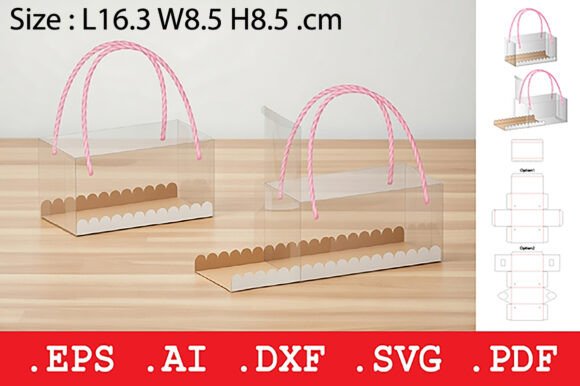
Efficiency in packaging development depends heavily on file compatibility across different manufacturing environments. This template package eliminates technical friction by providing industry-standard formats tailored to distinct workflows. Whether you are prototyping at home or ordering a thousand units from a commercial printer, having the correct source file accelerates the timeline from design to physical product.
- .AI (Adobe Illustrator): Essential for branding professionals requiring full customization. This vector source file allows for precise adjustment of bleed areas, logo placement, and color separation without pixelation.
- .EPS: The universal standard for industrial printing. Commercial print shops prefer this format for its scalability and compatibility with legacy prepress systems, ensuring your design translates accurately to mass production.
- .DXF: Critical for automated fabrication. If you utilize CNC routing or laser cutting hardware for short-run custom packaging, this CAD-compatible format ensures machine accuracy and clean edge finishes.
- .SVG: Ideal for digital crafters and educators. This scalable vector works seamlessly with consumer-grade cutting machines like Cricut or Silhouette, making it accessible for hobbyists and small-scale sellers testing market viability.
- .PDF: Serves as the universal reference document. Use this for manual cutting, assembly verification, and sharing proofs with stakeholders who lack specialized design software.
Optimizing Assembly and Shelf Presence
The single-sheet dieline design addresses two major operational challenges: assembly speed and retail display. Complex packaging that requires multiple glue tabs or intricate origami slows down fulfillment lines and frustrates staff. This template simplifies construction into intuitive folds that lock into place, reducing assembly time per unit. The clean, stable base is equally important for brick-and-mortar environments. Unlike traditional gable bags that may slump or lean, this rectangular footprint stands upright independently, maximizing shelf real estate and ensuring branding remains visible to passing customers.
For freelancers and marketers creating mockups, the predictable geometry of this template simplifies 3D rendering and photography. The consistent angles and flat panels provide reliable surfaces for applying digital textures or capturing product shots. This predictability reduces post-production editing time and allows for faster iteration on marketing assets. When presenting packaging concepts to clients, being able to quickly produce a physically accurate prototype using the SVG or PDF files demonstrates professionalism and validates design decisions before expensive tooling is commissioned.
Practical Considerations and Limitations
While the Rectangular Gable Bag with Die-Cut Handle offers significant advantages, it is not universally applicable. Understanding its limitations prevents misuse and ensures customer satisfaction. The die-cut handle, though reinforced, has a lower weight tolerance than twisted cord or ribbon handles. This packaging is optimized for items typically weighing under 1.5 kg. Exceeding this limit risks handle failure and negative brand association. Always conduct load testing with your actual product and chosen paper stock before finalizing the design.
Additionally, the front-opening flap provides security but not a hermetic seal. This format is unsuitable for loose granular foods, liquids without secondary containment, or products requiring modified atmosphere packaging. It excels with solid, contained goods like boxed confections, folded textiles, or bottled cosmetics. Users must also consider storage; unlike collapsible poly mailers, these assembled bags retain their shape and require dedicated shelving space. Evaluate your inventory logistics to ensure this premium format aligns with your warehousing capabilities.
Customization Strategies for Brand Differentiation
The blank canvas of this template invites strategic customization beyond simple logo placement. Because the dieline includes generous bleed areas in the AI and EPS files, designers can extend patterns or colors seamlessly across folds. Consider utilizing the interior surfaces of the gable and flap for hidden messaging or care instructions, adding value without cluttering the exterior. Spot UV or foil stamping on the reinforced handle area draws tactile attention to the most interactive part of the package.
For educational purposes or workshops, the DXF and SVG files enable rapid iteration of structural modifications. Instructors can demonstrate how altering tab lengths or gable angles affects overall stability, providing hands-on learning experiences for design students. Small businesses can use these editable files to create seasonal variations without redesigning the entire package structure. Simply updating the surface graphics while retaining the proven structural dieline maintains brand consistency while keeping marketing fresh. This balance of standardized engineering and creative flexibility makes the template a sustainable asset in your packaging toolkit.
Ultimately, adopting the Rectangular Gable Bag with Die-Cut Handle is a decision to prioritize thoughtful design over generic utility. It signals to customers that every touchpoint has been considered, from the ease of carrying to the joy of opening. By leveraging the appropriate file formats and respecting material constraints, professionals across industries can transform a simple paper container into a powerful vehicle for brand communication and operational efficiency. The result is packaging that does not just hold a product, but actively contributes to its success.