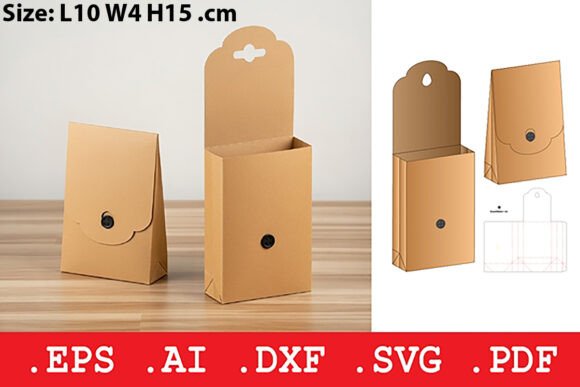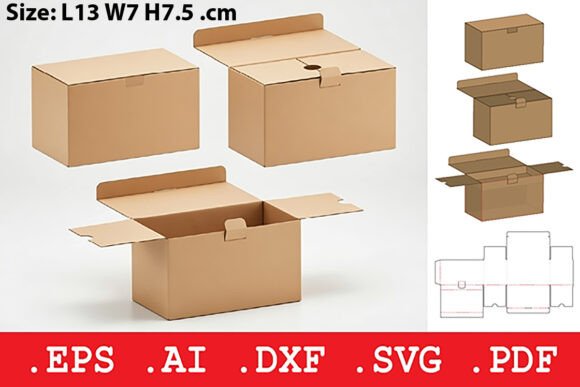
Rectangular Locking Tab Retail Box Design Guide
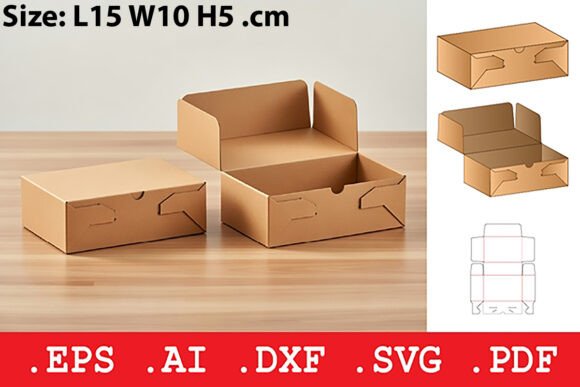
Effective packaging design bridges the gap between product protection and brand storytelling. The Rectangular Locking Tab Retail Box template exemplifies this balance through functional engineering rather than decorative excess. This versatile packaging solution features a secure top-folding lid with a central locking tab, creating a stable closure that requires no adhesives. For designers and small business owners, this specific structural design offers a clean, minimalist canvas that communicates quality through precision rather than ornamentation. The non-rigid structure, optimized for 200-350 gsm paper, relies on wide side dust flaps to maintain its geometric integrity while protecting internal contents. When evaluating this template for your next project, consider it not just as a container, but as a critical component of your overall brand identity and unboxing experience.
Structural Integrity and Visual Minimalism
The personality of the Rectangular Locking Tab Retail Box is defined by its utilitarian elegance. Unlike rigid setup boxes that rely on glue and heavy board, this template uses tension and fold geometry to create form. The integrated front tab mechanism provides a secure lock and a smooth unboxing experience, which is essential for retail products, electronics, or gift sets where the customer’s first physical interaction matters. Visually, the absence of adhesive tape or glue residue creates a premium feel that aligns with modern typography and clean editorial design aesthetics. The smooth, uninterrupted panels offer ample space for logo design, instructional text, or regulatory markings without visual clutter.
This structural approach influences how audiences perceive the brand. A box that snaps shut with satisfying precision suggests that the manufacturer cares about details. In contrast, a flimsy or poorly aligned package can undermine even the most expensive product inside. The wide side dust flaps are a crucial, often overlooked feature; they prevent the box from bowing outward when stacked or handled, ensuring the rectangular silhouette remains consistent on the shelf. For content creators and marketers photographing products for social media graphics or web design, this consistency ensures the packaging looks professional in both digital and physical contexts. The template’s reliance on mechanical locks rather than chemical adhesives also appeals to eco-conscious consumers, adding a layer of sustainability to the brand narrative without requiring explicit messaging.
Optimizing Material Weight and Print Compatibility
Selecting the correct substrate is as important as the structural design itself. This template is specifically engineered for 200-350 gsm paper stock. Using material outside this range compromises the functionality of the locking tab. Cardstock lighter than 200 gsm may lack the tensile strength to hold the lock securely, leading to accidental openings during transit. Conversely, board heavier than 350 gsm can make the folding tabs too stiff, causing cracking along score lines or making the box difficult to assemble by hand. Understanding these physical constraints helps prevent costly production errors and ensures the final package performs as intended.
From a printing perspective, the included file formats support every stage of the production workflow. The .AI (Adobe Illustrator) source file allows for full customization of cut lines and bleed areas, which is vital when adapting the template for unique product dimensions. Industrial printers typically prefer the .EPS format for its scalability and compatibility with RIP software, while the print-ready .PDF serves as an excellent proofing document for manual cutting or client approval. For smaller operations using CNC routers or laser cutting hardware, the .DXF file provides precise vector paths that machines can interpret without conversion errors. Crafters and hobbyists utilizing digital die-cutters will find the .SVG format immediately useful for prototyping or small-batch production. Having access to this comprehensive suite of design assets eliminates the friction often associated with translating a digital template into a physical object.
Typography and Branding on Non-Rigid Surfaces
Designing for a folding carton requires different considerations than designing for a flat poster or screen. Because the Rectangular Locking Tab Retail Box is non-rigid, the surface has a slight give. This impacts typographic choices significantly. Heavy ink coverage or large solid blocks of color near fold lines can crack or show wear over time. Sans serif fonts generally perform better on folding cartons because their uniform stroke widths and open counters remain legible even if the surface texture varies slightly. Serif fonts and script fonts can be used effectively for branding elements on the main panel, but avoid placing intricate serifs directly over crease points where the paper fiber is stressed.
Visual hierarchy on a six-sided package must account for the viewing angle. The front panel is prime real estate for the primary display font or logo, but the top lid—secured by the central locking tab—is often the first surface seen when the box is shelved or opened. Consider placing secondary branding or product identifiers here. The side dust flaps, while primarily structural, also serve as interior branding opportunities. When the customer opens the lid, these flaps frame the product reveal. Printing a subtle pattern, website URL, or thank-you message on the interior of these flaps enhances the unboxing experience without increasing the exterior visual noise. This attention to transitional moments distinguishes professional packaging design from generic labeling.
Evaluating Fit for Commercial and Creative Projects
Before committing to this template, assess whether its mechanical closure suits your specific product weight and distribution channel. The locking tab is ideal for lightweight to medium-weight items like cosmetics, jewelry, USB drives, or artisanal food products. It is less suitable for heavy hardware or liquids that require watertight seals. Test the assembly process manually before ordering bulk materials; the tactile feedback of the tab engaging should be firm but not destructive. If the tab tears during test assembly, adjust the slot tolerance in the .AI or .DXF file rather than changing paper weight.
For entrepreneurs and publishers integrating this box into a broader brand system, ensure the packaging dimensions align with your existing shipping logistics. A beautifully designed box that doesn’t fit standard mailers or shelf dividers creates downstream inefficiencies. Use the scalable vector files to create multiple size variations from a single master template, maintaining proportional consistency across your product line. This systematic approach reinforces brand recognition and reduces design fatigue. Remember that commercial licensing for packaging templates typically covers unlimited physical reproduction, but always verify the specific license terms included with your download to ensure compliance for retail distribution. By treating the Rectangular Locking Tab Retail Box as a strategic design asset rather than a disposable container, you transform a simple folding carton into a durable touchpoint that supports both product safety and brand equity.