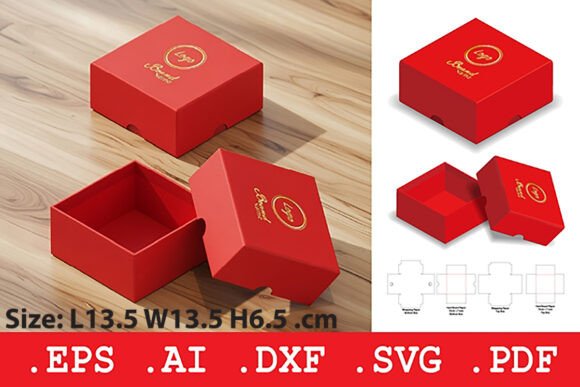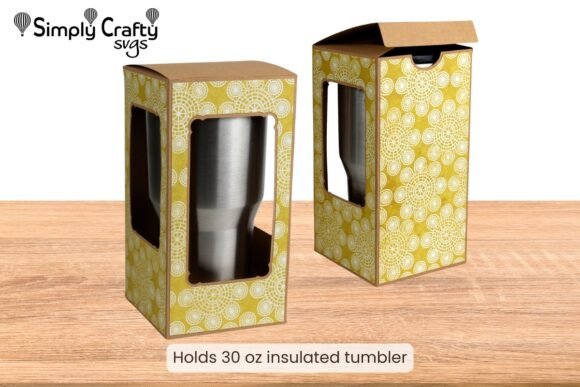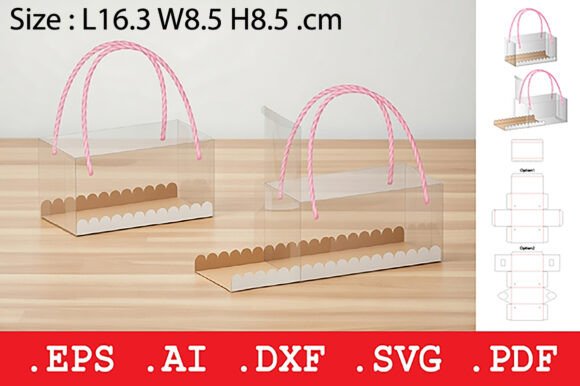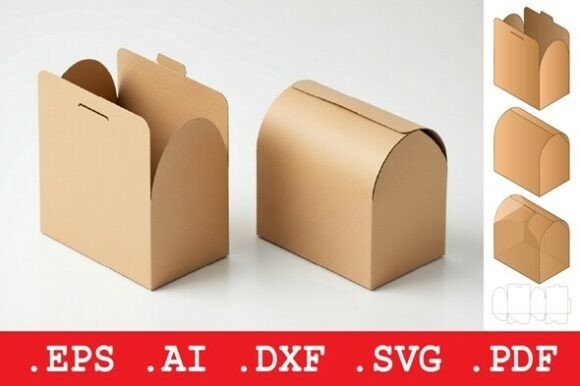
Rigid Hinged Jewelry Box Dieline: Elevating Unboxing with Precision Engineering
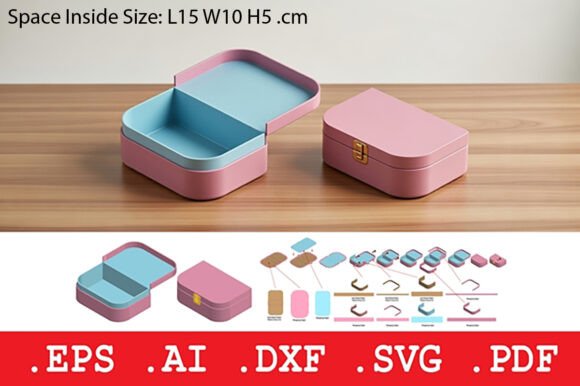
When you hold a premium jewelry box, the experience begins before the lid is even lifted. The weight in your hand, the smooth curve of the rounded corners, and the satisfying resistance of the hinged lid all communicate value instantly. Achieving this level of tactile sophistication requires more than just good graphic design; it demands a structurally sound foundation. A Rigid Hinged Jewelry Box Dieline serves as that essential blueprint, bridging the gap between a digital concept and a physical luxury object. Unlike standard folding cartons that rely on thin cardstock and glue tabs, this dieline is engineered specifically for rigid setup boxes, ensuring that the final product offers superior protection and a boutique-quality finish.
Beyond Folding Cartons: Why Structure Matters
For brands transitioning from mass-market packaging to luxury positioning, the shift from folding cartons to rigid boxes is often the defining moment. A folding carton is efficient and cost-effective, but it lacks the permanence required for high-value items. The Rigid Hinged Jewelry Box Dieline addresses this by providing a template for a two-piece construction where the lid remains permanently attached via a reinforced hinge tape or fabric strip.
This structural integrity is vital for real-world scenarios. Consider a customer purchasing a diamond tennis bracelet online. During shipping, the package endures significant handling. A flimsy box might crush or pop open, damaging both the product and the brand's reputation. A rigid box constructed from this dieline acts as a protective shell, absorbing impact and maintaining its shape regardless of external pressure. Furthermore, the hinged mechanism prevents the lid from being lost or separated, a common frustration with traditional lift-off lid boxes. This small detail significantly enhances the user experience, allowing the recipient to view the contents with one hand while keeping the box stable.
Real-World Applications Across Industries
While the name suggests jewelry, the utility of this specific dieline extends far beyond necklaces and rings. The dimensions and structural properties make it a versatile solution for various high-end sectors.
- Luxury Cosmetics and Skincare: Premium serums and glass perfume bottles require stability. The rigid walls prevent breakage during transit, while the hinged lid creates a vanity-friendly display case that customers are likely to keep and reuse.
- High-End Electronics: Smartwatches, wireless earbuds, and limited-edition tech accessories benefit from the "tech-luxe" aesthetic. The clean lines and rounded corners of this dieline mirror the industrial design of modern gadgets, creating a cohesive unboxing narrative.
- Corporate Gifting and Awards: When presenting medals, commemorative coins, or executive gifts, the packaging must match the prestige of the item inside. This box style conveys respect and importance without needing excessive branding.
- Artisanal Confections: High-value chocolates or macarons often use rigid packaging to prevent crushing. The hinged lid allows for an elegant presentation at dinner parties or events, functioning as a serving vessel rather than disposable trash.
Navigating File Formats for Production Success
One of the most practical advantages of acquiring a professional Rigid Hinged Jewelry Box Dieline is the inclusion of industry-standard file formats. Different stages of production and different types of manufacturers require specific vector data. Understanding which file to use can save hours of communication back-and-forth with print shops or prototyping labs.
The .AI (Adobe Illustrator) file is your master source. This is where customization happens. If you need to adjust the depth of the base tray to accommodate a taller product or modify the corner radius for a softer feel, this is the file to edit. It retains all layers, guides, and bleed settings necessary for professional prepress.
For manufacturing, the .EPS format is the universal language. Most commercial die-cutting machines and offset printers prefer EPS for its high-fidelity vector paths. It ensures that the cutting dies are manufactured to exact tolerances, which is critical when working with thick rigid board where even a millimeter of variance can cause assembly issues.
If you are prototyping in-house or using digital fabrication, the .DXF and .SVG files become invaluable. DXF is compatible with CNC routers and laser cutters, allowing you to cut precise chipboard bases for testing fit and function before committing to a full production run. SVG files work seamlessly with craft cutting machines like Cricut or Silhouette, making them perfect for creating paper mockups or lining templates to visualize the interior aesthetic.
Critical Considerations Before Customization
Having the template is only the first step. Successfully executing a rigid box project requires attention to material realities that don't exist in digital design. Before modifying the Rigid Hinged Jewelry Box Dieline, consider the thickness of your wrapping material. Rigid boxes are wrapped; they are not printed directly onto the structural board. If you plan to use a textured linen paper or a thick leatherette wrap, you must account for that bulk in your tolerance allowances. A dieline set up for 80gsm paper may fail if wrapped in 300gsm specialty stock, resulting in bulging corners or a lid that refuses to close flush.
Lining is another area where precision matters. The included assembly guides for lining are not merely suggestions; they are mathematical necessities. The interior liner must be sized to cover the raw edges of the wrap and the structural seams without overlapping excessively. Too much overlap creates lumps; too little exposes the grey chipboard underneath. Using the provided PDF for manual prototyping helps you test these tolerances physically. Cut a sample, wrap it, line it, and assemble it. Feel the hinge action. Does it bind? Is there too much play? Physical testing at this stage prevents costly retooling fees later.
Balancing Aesthetics with Manufacturing Reality
The rounded corners featured in this dieline are a hallmark of luxury, but they also introduce complexity. Sharp 90-degree corners are easier to manufacture and wrap, but they can look utilitarian. Rounded corners soften the silhouette and reduce wear on the wrapping material, but they require specialized scoring and wrapping equipment. When selecting a manufacturer, verify their capability to handle tight-radius curves on rigid board. Some factories may request a larger corner radius than what is shown in the template to accommodate their machinery limitations.
Additionally, consider the hinge placement relative to the grain direction of the board. Rigid board has a grain, and bending against the grain can cause cracking or weakening over time. A well-designed dieline accounts for this, but if you drastically alter the proportions, you may inadvertently compromise the structural integrity. Always consult with your packaging engineer or supplier when making significant dimensional changes to ensure the hinge remains durable through hundreds of open-close cycles.
The Value of Reusability in Modern Packaging
Sustainability in luxury packaging is often discussed in terms of recycled materials, but longevity is equally important. A box that is discarded immediately after opening is waste, regardless of its composition. The Rigid Hinged Jewelry Box Dieline facilitates the creation of keepsake packaging. Because the structure is robust and the hinge is secure, these boxes naturally transition into storage solutions for the owner.
This secondary life extends brand exposure and adds functional value to the purchase. For jewelry brands, this means the box becomes part of the customer’s daily routine. For electronics, it becomes a safe travel case. Designing with this end-use in mind influences material choices; opting for stain-resistant wraps or durable linens ensures the box ages gracefully. By utilizing a professional dieline that prioritizes structural excellence, you are not just packaging a product; you are crafting a lasting artifact that reinforces the premium nature of your brand long after the initial sale.