Graduation Money Cake DIY: A Practical Papercut Guide
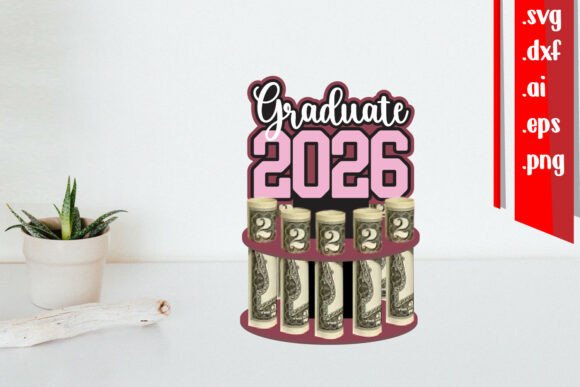
Creating a memorable graduation gift often involves balancing sentimentality with practicality. The Graduation Money Cake DIY project bridges this gap by transforming monetary gifts into an interactive, visually striking presentation. Rather than handing over a standard envelope, this papercut design allows crafters to construct a tiered cake structure where bills are hidden within ten individual slots. This approach elevates the gifting experience, turning a simple transaction into a centerpiece for celebration photos and party tables.
This specific digital resource streamlines the creation process through an instant download zip file containing five distinct formats: SVG, DXF, AI, EPS, and PNG. For professionals, educators, and hobbyists alike, having access to these vector-based files ensures precision regardless of the cutting machine or software being used. The 10-hole design is engineered not just for aesthetics but for structural integrity, ensuring that currency remains secure while allowing guests to easily retrieve their surprise. Understanding how to leverage these digital assets effectively can save hours of design time and prevent material waste during the fabrication process.
Streamlining Production with Multi-Format Digital Assets
One of the primary challenges in DIY papercrafts is file compatibility. Different cutting machines and design software require specific vector standards to function correctly. This Graduation Money Cake DIY package addresses that friction point by providing a comprehensive suite of file types. The inclusion of SVG and DXF files caters directly to users of Cricut Design Space and Silhouette Studio, which are the industry standards for home crafters. These formats preserve the exact dimensions of the 10-hole layout, ensuring that score lines and cut lines align perfectly without manual adjustment.
For professional designers or small business owners creating custom event decor, the AI and EPS files offer scalability and editability within Adobe Illustrator or CorelDRAW. This flexibility allows users to resize the cake tiers proportionally or add personalized text, such as the graduate’s name or class year, without losing line quality. The high-resolution PNG serves a different purpose; it is ideal for digital mockups, social media promotion, or printing reference guides. By securing all five formats in a single instant download, creators eliminate the need to convert files manually, a process that often introduces errors or degrades line precision. This efficiency is particularly valuable when working under tight deadlines for graduation season.
Structural Integrity and the 10-Hole Design Logic
The success of a money cake relies entirely on its engineering. A common failure point in similar DIY projects is the inability of the paper structure to support the weight of multiple bills, leading to sagging or collapse. This specific 10-hole papercut design has been optimized to distribute weight evenly across the tiers. Each slot is sized to accommodate standard currency folds while maintaining enough tension to hold the bill in place until it is intentionally pulled. This mechanical consideration transforms the cake from a mere decoration into a functional vessel.
When assembling this Graduation Money Cake DIY project, the precision of the digital cut files becomes apparent. Hand-measuring and cutting ten identical slots is tedious and prone to human error, resulting in uneven spacing or misaligned layers. The digital template automates this accuracy. For those using cardstock, the design includes designated score lines that facilitate clean folding. This attention to structural detail means the final product looks professionally manufactured rather than hastily assembled. Whether you are a parent crafting a gift for your child or an event planner producing decor for a client, this reliability reduces stress and ensures a polished outcome.
Enhancing Guest Interaction and Event Presentation
Beyond the technical aspects of construction, the value of this project lies in its ability to facilitate social interaction. Graduations are milestones marked by celebration, and gifts often serve as conversation starters. A traditional cash gift is private and quickly forgotten. In contrast, a money cake invites participation. Guests gather around to admire the craftsmanship, speculate about the contents, and take turns pulling bills from the slots. This interactive element extends the lifespan of the gift moment, making it a focal point of the reception or dinner party.
For content creators and bloggers documenting graduation festivities, the visual appeal of the 10-hole design provides excellent photographic opportunities. The layered aesthetic creates depth and texture that photographs well, unlike flat envelopes. Furthermore, the customization potential allowed by the editable vector files means the cake can be color-coordinated with school colors or party themes. This cohesion strengthens the overall visual narrative of the event. Even for those who are not professional marketers, presenting a thoughtfully designed gift communicates care and effort in a way that resonates emotionally with the recipient and attendees.
Material Selection and Assembly Best Practices
While the digital files provide the blueprint, the physical execution requires appropriate material choices to realize the design's full potential. For the Graduation Money Cake DIY structure, paper weight is critical. Standard printer paper (20lb) is generally too flimsy to support the tension required for holding money securely. Conversely, heavy chipboard may be too difficult to fold cleanly along score lines without cracking. A cardstock weight between 65lb and 80lb typically offers the optimal balance of rigidity and pliability for this specific 10-hole configuration.
Assembly also benefits from strategic adhesive selection. Because the cake must bear weight, standard glue sticks are insufficient. Double-sided tape or strong liquid craft glue applied to the tab areas ensures lasting bonds. It is advisable to assemble the cake in stages, allowing each tier to set before adding the next. This prevents shifting during the drying process. Additionally, consider the denomination of bills being inserted. Larger denominations fold more compactly and sit more securely in the slots than smaller bills, which may require tighter folding. Testing one slot with your intended currency before full assembly can prevent frustration and ensure the mechanism functions as designed.
Evaluating Fit and Customization Limitations
While this digital download offers significant versatility, it is important to assess whether it fits your specific needs before purchasing. The 10-hole design is fixed in its count; if you intend to include significantly more or fewer bills, you may need to modify the vector file in AI or EPS format or purchase a different template. Users unfamiliar with vector editing software should be aware that altering the number of holes requires intermediate design skills. However, changing colors, adding text, or resizing the entire unit remains accessible to beginners using basic cutting machine software.
Additionally, consider the currency size. While designed for standard US bills, international currencies vary in dimension. If you are using larger notes, test the slot width in your software before cutting. The instant delivery model means you can perform this test immediately, avoiding last-minute surprises. For educators or freelancers looking to sell finished money cakes, verify the licensing terms associated with the digital download. Most personal-use licenses do not permit commercial sale of the physical item, so understanding these boundaries is essential for ethical and legal compliance. Despite these considerations, for the vast majority of personal graduation celebrations, this template offers a robust, time-saving foundation for a high-impact gift.
Maximizing Value Through Creative Adaptation
The true utility of this Graduation Money Cake DIY resource extends beyond a single use case. The modular nature of the design allows for creative adaptation. For example, instead of money, the slots can hold gift cards, lottery tickets, or handwritten notes of advice from family members. This variation makes the template suitable for retirees, newlyweds, or other milestone celebrations beyond graduation. Educators might adapt the concept for classroom rewards, filling slots with tokens or privileges rather than currency.
By viewing the digital files as a flexible framework rather than a rigid instruction set, users can maximize their return on investment. The availability of multiple file formats ensures that the asset remains useful even as technology or software preferences change. Whether you are a meticulous crafter seeking perfection or a busy professional needing a quick yet impressive solution, this papercut design delivers tangible results. It simplifies the complex geometry of paper engineering, allowing you to focus on the celebratory intent behind the gift. Ultimately, the combination of precise digital tools and thoughtful physical assembly creates an artifact that honors the graduate’s achievement with both creativity and substance.