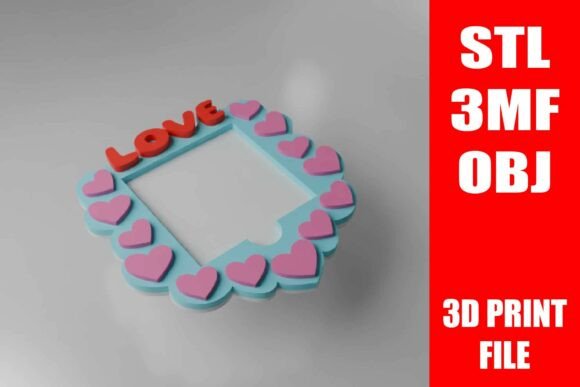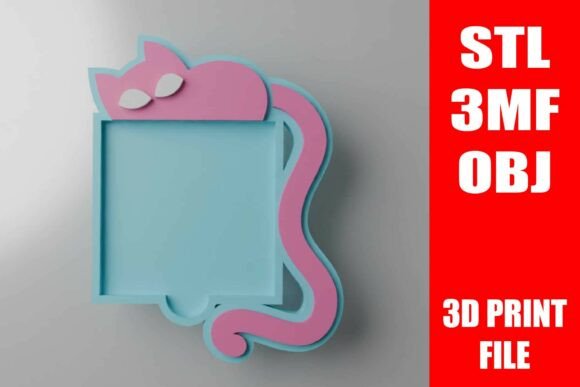
Don't Touch My Sticky Note Holder STL: 3D Print Guide
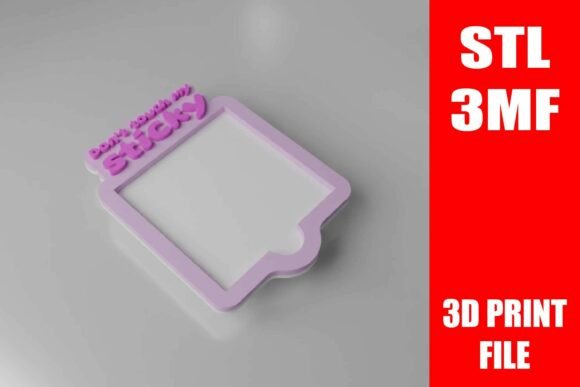
Organizing a workspace often requires balancing functionality with personality, especially when managing physical reminders in a digital world. The Don't Touch My Sticky Note Holder STL serves as both a practical organizational tool and a lighthearted boundary setter for professionals, educators, and creatives. Unlike generic desk accessories, this specific 3D printing digital download is engineered to transform standard adhesive notes into a visible, accessible display while communicating a clear message to colleagues or family members. For makers using PLA on machines like the Bambu Lab A1 Mini, this file offers a reliable print experience that results in a durable, high-quality desktop asset.
Establishing Workspace Boundaries Through Functional Design
In shared office environments, home offices, or classroom settings, visual cues are often more effective than verbal reminders. This sticky note holder leverages humor and utility to establish personal space without creating friction. By placing current tasks, passwords, or priority reminders on a dedicated stand labeled "Don't Touch," users create a psychological barrier that respects their workflow. This is particularly valuable for freelancers working in shared living spaces or marketers managing multiple campaigns who need immediate access to critical information without cluttering their monitor bezels.
The design moves beyond simple novelty by prioritizing the ergonomics of note retrieval. Standard sticky note pads often slide across desks or get buried under keyboards. This holder keeps the pad elevated and angled, making it easier to grab a note during brainstorming sessions or client calls. For entrepreneurs and small business owners, this small efficiency gain compounds over time, reducing the micro-frictions that disrupt focus. The ability to customize the color through filament choice allows the object to match existing desk aesthetics or serve as a high-visibility signal depending on the user's preference.
Optimized Geometry for Reliable PLA Printing
A common frustration with downloaded STL files is encountering non-manifold geometry, thin walls, or unsupported overhangs that lead to failed prints. This Don't Touch My Sticky Note Holder STL distinguishes itself through professional-grade modeling created specifically for FDM fabrication. The geometry is clean and error-free, meaning slicer software will interpret the mesh correctly without requiring extensive repair or modification. This reliability is crucial for hobbyists and busy professionals who want to maximize printer uptime rather than troubleshooting mesh errors.
The file has been explicitly tested using PLA on a Bambu Lab A1 Mini, providing a verified baseline for print success. This testing ensures that wall thicknesses are appropriate for standard 0.4mm nozzles and that tolerances account for typical PLA shrinkage. While the model is optimized for this specific ecosystem, the robust geometry translates well to other printers such as the Prusa Mini+ or Creality Ender series. Users should still verify bed adhesion and cooling settings, but the foundational design work significantly reduces the risk of warping or layer separation. The digital download format means you can iterate on colors or reprint replacements instantly without waiting for shipping.
Enhancing Analog Organization in Digital Workflows
Despite the prevalence of project management software, many creators and educators still rely on tactile methods for ideation and memory retention. This holder supports hybrid workflows by giving physical notes a designated home. For bloggers and publishers, having a dedicated spot for headline ideas or editorial calendar adjustments prevents valuable thoughts from being lost on loose scraps of paper. Teachers can use the holder to display daily objectives or student reminders at eye level, keeping essential information distinct from graded papers or administrative clutter.
The specific orientation of the holder also aids in presentation. When participating in video calls or recording content, having notes displayed vertically or at an angle makes them readable to the camera, unlike flat pads that reflect overhead lighting. This subtle improvement benefits remote workers and content creators who frequently reference physical materials during broadcasts. It transforms a messy pile of reminders into a curated part of the background set, reinforcing professionalism even when using casual organizational tools.
Material Selection and Post-Processing Considerations
While the STL is designed for PLA, understanding material properties helps users achieve the best outcome for their specific environment. Standard PLA provides excellent detail and rigidity, making it ideal for the crisp text and structural integrity required for this holder. However, users in hot environments or direct sunlight should consider PETG or ASA to prevent deformation over time. Because the geometry is watertight and manifold, switching materials typically only requires adjusting temperature and flow rate settings rather than modifying the model itself.
For those seeking a premium finish, the clean topology of this file responds well to post-processing. Light sanding followed by acrylic paint can create a custom look that matches corporate branding or personal style. Alternatively, using silk or matte PLA filaments can hide layer lines straight off the build plate, resulting in a product that looks manufactured rather than printed. Since this is a digital download, users have the freedom to experiment with different finishes without risking damage to an expensive pre-made item. Just remember that any modifications or colorways remain subject to the creator's copyright terms.
Understanding Usage Rights and Digital Ownership
It is vital to recognize that purchasing this Don't Touch My Sticky Note Holder STL grants access to a digital file, not a physical product. No physical item will be shipped; the value lies entirely in the license to fabricate the object for personal use. Copyright remains with the original designer upon purchase, which protects the integrity of the work and ensures continued support for independent 3D artists. This distinction matters for small business owners or educators who might wish to sell printed versions; unless a commercial license is explicitly included, the file is intended for personal, non-commercial fabrication only.
This digital-first approach aligns with sustainable manufacturing principles. By printing on demand, users eliminate packaging waste and shipping emissions associated with traditional retail. It also empowers the maker community to support designers directly while retaining full control over the production process. Whether you are printing a single unit for your own desk or creating gifts for team members (within licensing limits), the instant availability of the STL file ensures that organizational improvements can be implemented immediately.
Evaluating Fit and Practical Limitations
Before printing, users should measure their preferred sticky note brand to ensure compatibility. While designed for standard sizes, variations in paper dimensions exist between manufacturers. Testing a fit with a physical pad before committing to a full print saves filament and time. Additionally, consider the footprint of the holder relative to available desk space. In extremely compact setups, such as laptop-only workstations, the base size may compete with keyboard placement. Comparing the STL dimensions against your specific workspace constraints helps determine if this particular design meets your spatial requirements or if a smaller alternative is necessary.
The humorous nature of the text, while effective for many, may not suit every professional context. Users in highly formal corporate or legal environments should evaluate whether this tone aligns with their workplace culture. The strength of 3D printing lies in customization; if the message needs adjustment for your specific audience, this file serves as an excellent reference for geometry and structure, even if you choose to model a variation better suited to your environment. Ultimately, the goal is to enhance productivity and communication, so selecting the right tone and size is as important as achieving a perfect print.